
 Savannah R. Jacklin
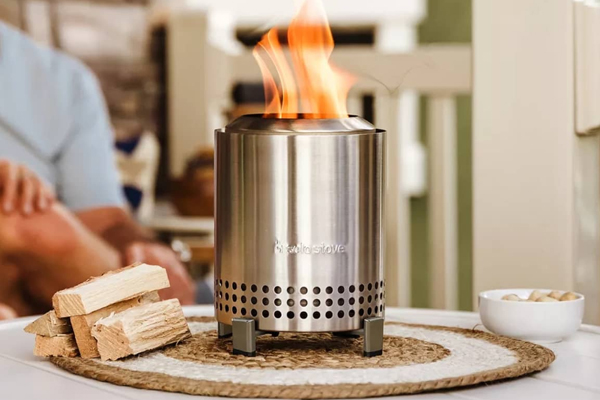
Buying a Solo Stove can elevate your outdoor experience, whether you want a smokeless fire pit for your backyard, a portable cooker for camping, or a center piece for social gatherings. But before you invest, it’s important to know exactly what to look for. Solo Stove products are well-designed, efficient, and highly regarded, but they are not one-size-fits-all. Making the right choice requires understanding your needs, space, accessories, safety, and long-term value.
This comprehensive buyer’s checklist will walk you through every factor you should consider before purchasing a Solo Stove. By the end of this guide, you’ll have the confidence to choose the perfect model and accessories that match your lifestyle.
1. Understand What Solo Stove Is and How It Works
Before buying, it’s essential to understand the core technology behind Solo Stove.
Solo Stove fire pits are designed with a unique dual-airflow system that creates efficient combustion. Air flows in through the bottom vents and rises between internal walls, burning smoke particles before they escape. This process results in cleaner, hotter flames with significantly less smoke compared to traditional fire pits.
For buyers, this means:
- A more comfortable outdoor fire experience
- Less irritation from smoke
- Less ash build-up
- Enhanced fuel efficiency
Knowing how the technology affects performance and user experience will help you evaluate if Solo Stove matches your expectations.
2. Determine How You Plan to Use Your Solo Stove
The first step in making the right purchase is identifying how you intend to use your Solo Stove.
Backyard Fire Pit
If your primary goal is to create a stylish fire feature for your patio or backyard gatherings, size and aesthetics matter more than portability.
Outdoor Cooking
If you want to grill, roast, or cook meals, think about accessories like grill tops, cooking rings, or heat deflectors.
Camping and Travel
For outdoor adventures, portability and weight become critical factors. You may want a smaller model and compact accessories.
Entertaining and Social Use
Solo Stove fire pits are designed to be social hubs. If you plan to host groups, focus on models with larger capacity and enhanced accessories that allow comfortable seating around the fire.
Listing your intended uses early simplifies decisions around model size, accessories, and budget.
3. Choose the Right Solo Stove Model for Your Needs
Solo Stove offers several models, each designed for specific purposes. Choosing the right one ensures you get maximum value.
Ranger
The Ranger is lightweight and portable, making it ideal for camping, tailgating, or small patios. It offers strong performance in a compact form.
Bonfire
The Bonfire is the most versatile choice, suitable for backyard fire pits and everyday outdoor use. It balances heat output and size, making it a popular option for many buyers.
Yukon
The Yukon is the largest model in the Solo Stove lineup. It is designed for larger gatherings and outdoor spaces where ample heat and fire surface area are desired.
Each model uses the same smokeless technology, but size matters in terms of heat output, visual presence, and suitability for your space.
4. Evaluate Your Outdoor Space Before Deciding Size
Size matters when purchasing a fire pit.
Measure Available Space
Before choosing, measure your patio, deck, or yard space. You want enough room around the fire pit for safety and seating.
Consider Seating Arrangements
Plan where chairs or benches will be positioned. A fire pit that is too large can overwhelm a small area, while one that is too small may not provide enough warmth or presence in a larger space.
Think About Wind and Smoke Direction
Although Solo Stove produces minimal smoke, wind patterns can still affect where smoke drifts. Orient the fire pit and seating to maximize comfort.
Clearance and Safety Requirements
Ensure there is sufficient clearance from structures, overhead trees, fences, and other flammable materials. Fire safety always comes first.
5. Decide on Cooking Capabilities and Necessary Accessories
If you plan to cook with your Solo Stove, accessories will directly impact your experience and success.
Grill Tops
Grill tops allow you to sear meats and vegetables directly over the fire. Choose a grill top that fits your stove model.
Heat Deflectors
Heat deflectors help distribute heat more evenly and allow more controlled cooking temperatures.
Cooking Rings and Supports
These accessories stabilize pots and pans over the fire, expanding the range of dishes you can prepare.
Cooking Utensils
Invest in long-handled cooking tools designed for open fire use to ensure safety and ease.
Selecting the correct accessories at the time of purchase ensures you can use your Solo Stove for grilling, roasting, simmering, or boiling without delays.
6. Understand Fuel Types and Availability
Solo Stove fire pits are designed primarily for wood fuel.
Ideal Wood Choices
Hardwoods like oak, hickory, maple, and fruitwoods produce consistent heat and longer burn times. Softwoods ignite quickly but burn faster.
Fuel Storage
Plan where you will store your wood. Choose a dry, covered space that keeps wood ready to use and protected from moisture.
Eco-Friendly Fuel Considerations
If environmental impact is important to you, think about sustainably sourced firewood or locally available biomass options.
Understanding fuel requirements ensures you can operate your Solo Stove without interruption.
7. Factor in Safety and Maintenance Needs
Even with efficient design, safety and maintenance should be part of your purchasing decision.
Fireproof Surfaces
Solo Stove should be placed on heat-resistant surfaces like stone, concrete, or fire mats. This protects decks, lawns, and outdoor flooring.
Spark Shields
Spark shields add another layer of safety when sparks are more likely to fly, especially during heavier burns.
Protective Gloves
Heat-resistant gloves protect your hands when moving grill tops, adjusting wood, or handling accessories.
Ash Removal
Although Solo Stove produces minimal ash, periodic cleaning improves performance and longevity.
Including safety gear and maintenance tools in your shopping plan keeps your experience positive and secure.
8. Compare Outdoor Fire Features and Extras
Solo Stove’s appeal extends beyond basic functionality. Think about features and extras that enhance utility and enjoyment.
Carrying Cases and Storage
Portable models benefit from carrying cases that protect components and make transport easier.
Covers and Protection
Weatherproof covers protect your fire pit from rain, snow, and UV rays when not in use.
Stands and Bases
A stand lifts the fire pit from the ground, providing stability and protecting surfaces.
These extras improve convenience, longevity, and overall outdoor experience.
9. Set Your Budget and Define Value Expectations
Solo Stove products are premium outdoor products, and prices reflect design quality, durability, and technology.
Budget Planning
Decide how much you are willing to spend before shopping. Include accessories and safety gear in your estimate.
Value vs Price
Think about how often you will use the fire pit and for what purposes. Investing in a larger model with accessories may provide greater long-term satisfaction than a smaller, cheaper option.
Return and Warranty Policies
Before purchasing, review return policies and any product warranties. Understanding these in advance protects your investment and expectations.
10. Check Reviews and User Experiences
One of the best ways to validate your decision is by reading user reviews and real-world experiences.
User Feedback on Features
Look for feedback on heat output, smoke levels, durability, and ease of use.
Outdoor Cooking Performance
Reviews from buyers using their Solo Stove for cooking can provide insight into what accessories are most helpful and how well the stove performs under real conditions.
Long-Term Satisfaction
Pay attention to reviews that mention long-term use and durability. These comments often highlight build quality and potential issues.
11. Plan for Assembly and Setup
Most Solo Stove products come ready to use with minimal assembly, but it’s still important to anticipate what setup requires.
Basic Setup Steps
- Place the fire pit on a stable surface
- Arrange firewood and kindling
- Light the fire safely
- Adjust airflow and fuel as needed
Time Needed for Setup
Allocate time for initial setup, especially if you intend to cook or entertain. A well-prepared space makes the experience smoother.
Planning ahead avoids frustration and ensures your first use is enjoyable.
12. Evaluate Long-Term Outdoor Living Goals
Think beyond a single season. Solo Stove can be part of your outdoor lifestyle for years.
Year-Round Use
Solo Stove performs well in all seasons, making it an excellent choice for homeowners who enjoy outdoor gatherings throughout the year.
Resale and Longevity
The durable stainless-steel construction maintains its appearance and functionality over time, preserving value if you ever decide to resell.
Choosing a model that fits long-term goals adds lasting satisfaction to your purchase.
Make an Informed Solo Stove Purchase
Buying a Solo Stove is more than acquiring a fire pit; it’s investing in an enhanced outdoor living experience. A well-informed purchase ensures that you choose the right model, accessories, and setup to match your lifestyle and space.
Use this buyer’s checklist to guide your decisions and protect your investment. Whether you want warmth, cooking capability, entertainment value, or all of the above, Solo Stove offers a range of options to meet your needs.
With careful planning and thoughtful selection, your Solo Stove will become a central feature of your outdoor life for years to come.



Add comment